
The AI market is still being measured by the wrong yardstick
Why chat and subscription counts understate the AI market — and what competition does to adoption.
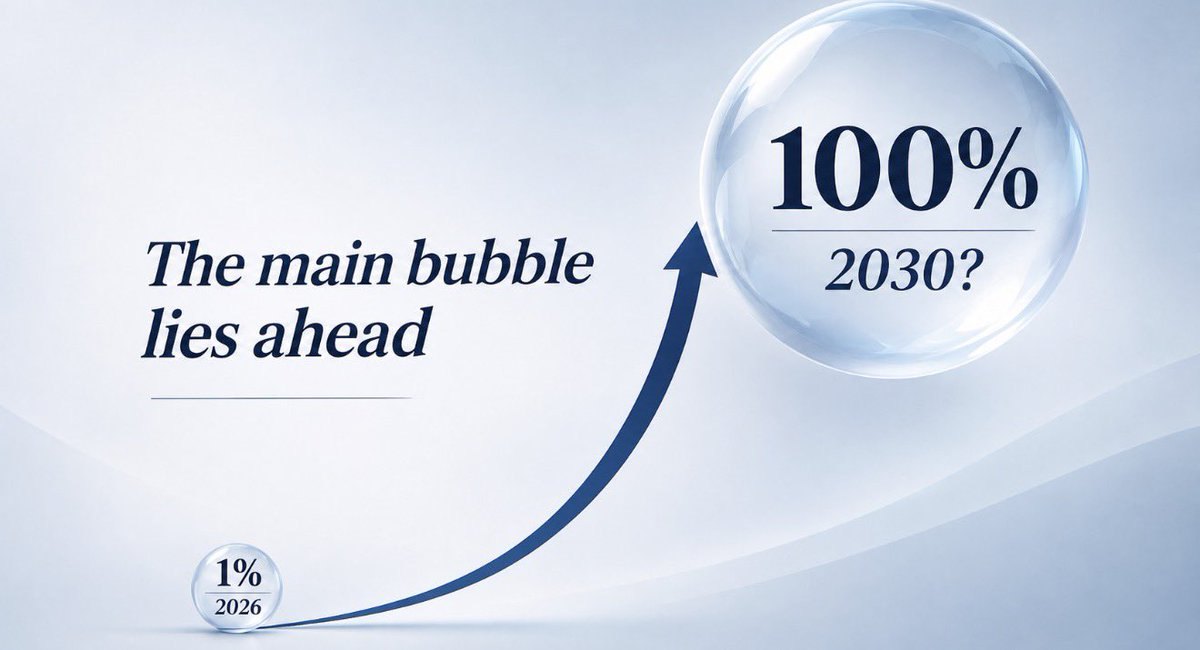
Many discussions of an “AI bubble” focus on how many people use chatbots. That metric misses the main economic shift: when AI stops only answering questions and starts completing whole tasks.
According to Microsoft’s September 2026 Global AI Diffusion Report, 18.8% of the world’s working-age population used generative AI in June 2026. A 2026 University of Warwick study found that about 5% of UK adults paid for personal AI subscriptions by mid-2026. Using AI and paying for AI are not the same as gaining large economic value from it.
Competition pushes adoption. Two people doing the same work — one with traditional tools, one with a capable agent system — do not stay equal for long. The same pressure applies to freelancers, companies and, over time, economies.
The larger opportunity is value per user, not only more users. Paying $20 per month for a chatbot is one level; paying $100, $200 or $500 for personal AI infrastructure that carries out administration, research, software work and projects is another.
Comparisons with the dot-com, real-estate and financial bubbles often ignore that AI changes the amount of useful work that can be done with the same resources. Figures such as 10× or 100× are scenarios, not forecasts. Sources for the factual points above are listed in the original thread on X.